Buying acreage in British Columbia is a big step, and with more people seeking space, privacy, and a connection to the land, it’s essential to evaluate a property carefully before committing. Unlike a standard residential lot, acreage comes with unique considerations, from water access to zoning and soil quality, that can affect both your enjoyment and long-term investment. Here’s a practical guide to help you assess a property before you buy.
1. Understand the Zoning and Land Use
Zoning dictates what you can and cannot do on your property. In BC, rural land can fall under agricultural, residential, or mixed-use zoning, each with its own regulations on building structures, farming, or subdividing. Check with the local municipality or regional district to confirm allowable uses, building setbacks, and future development plans that could affect your property’s value.
2. Evaluate Water and Utilities
Access to reliable water is critical. Confirm whether the property has a municipal connection, a well, or another water source. If it’s a well, investigate depth, flow rate, and water quality. Similarly, check for electricity, internet, and septic systems. In remote areas, installing utilities can be costly, so understanding these details upfront can save surprises later.
3. Inspect the Soil and Terrain
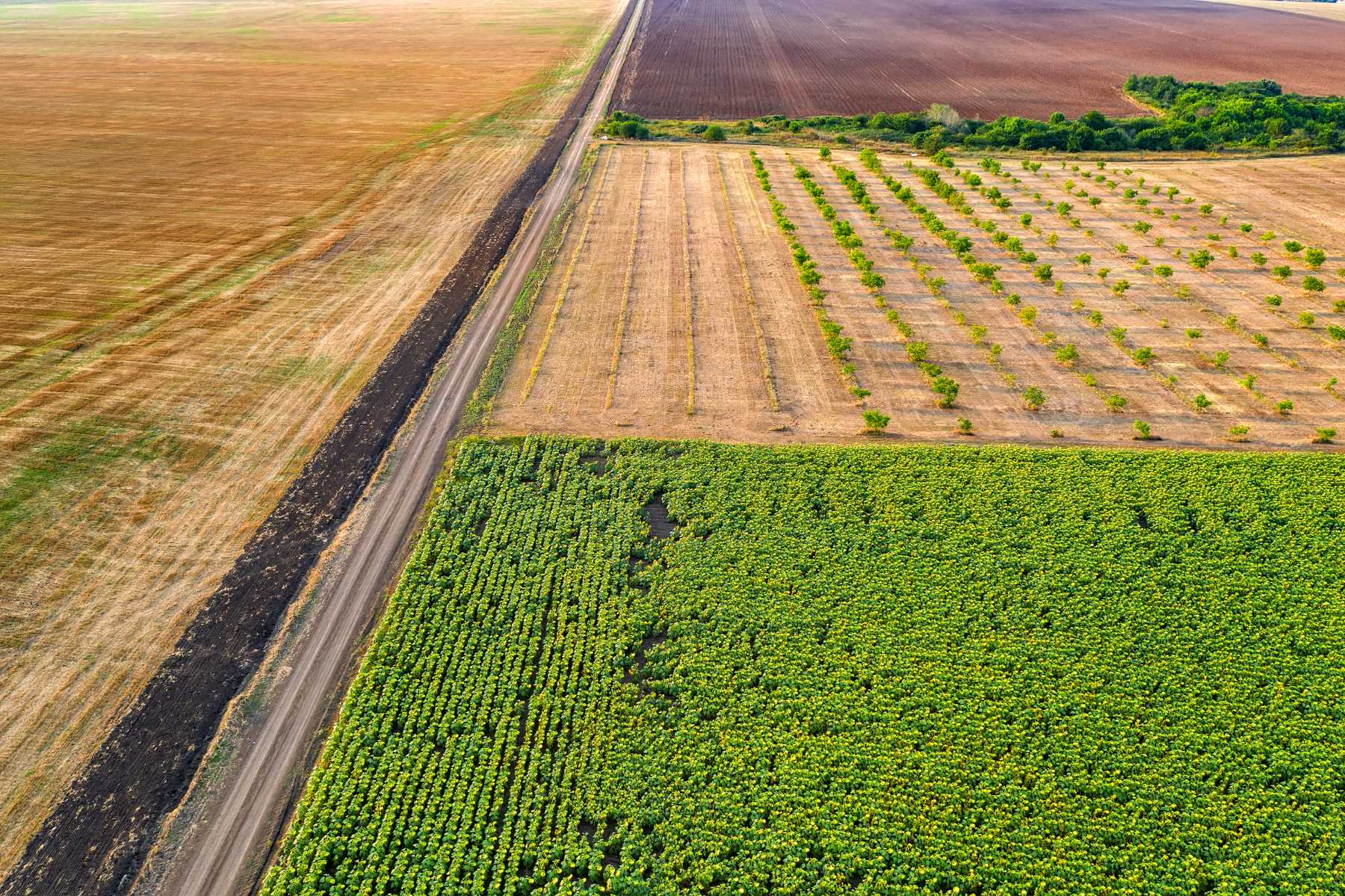
The land’s soil quality and topography will impact what you can grow and how you can build. Rocky or sloped terrain may limit construction options or require extra grading. If you plan to farm or garden, request a soil test to ensure the property meets your plans.
4. Consider Access and Road Maintenance
Rural properties often have private or shared roads. Verify who maintains these roads, especially during winter, and whether there are any easements. Poor access can affect your daily life, emergency services, and future resale value.
5. Look at Environmental and Natural Hazards
BC’s diverse landscapes can come with risks like flood zones, wildfire-prone areas, or steep slopes. Check provincial and local hazard maps and consider professional inspections if needed. Understanding these risks helps you plan mitigation and insurance.
6. Assess the Neighbourhood and Community
Even in rural areas, neighbors and community infrastructure matter. Consider proximity to schools, healthcare, shopping, and recreational opportunities. A strong, connected community can enhance your experience and long-term property value.
7. Factor in Future Potential
Think long-term. Could the property accommodate additional buildings, farming, or lifestyle projects? Are there any development restrictions that might affect future plans? Understanding both current and potential uses helps you make a more informed investment.
8. Work With a Local Acreage Specialist
A real estate professional familiar with BC acreage properties can be invaluable. They understand the nuances of zoning, land surveys, and local market trends, helping you identify potential red flags and opportunities.
Purchasing acreage is about more than just land, it’s about lifestyle, investment, and potential. Taking the time to evaluate a property thoroughly ensures that your decision is informed and aligns with your goals. With careful assessment and the guidance of an experienced acreage brokerage, you can find a property that offers both immediate enjoyment and long-term value.