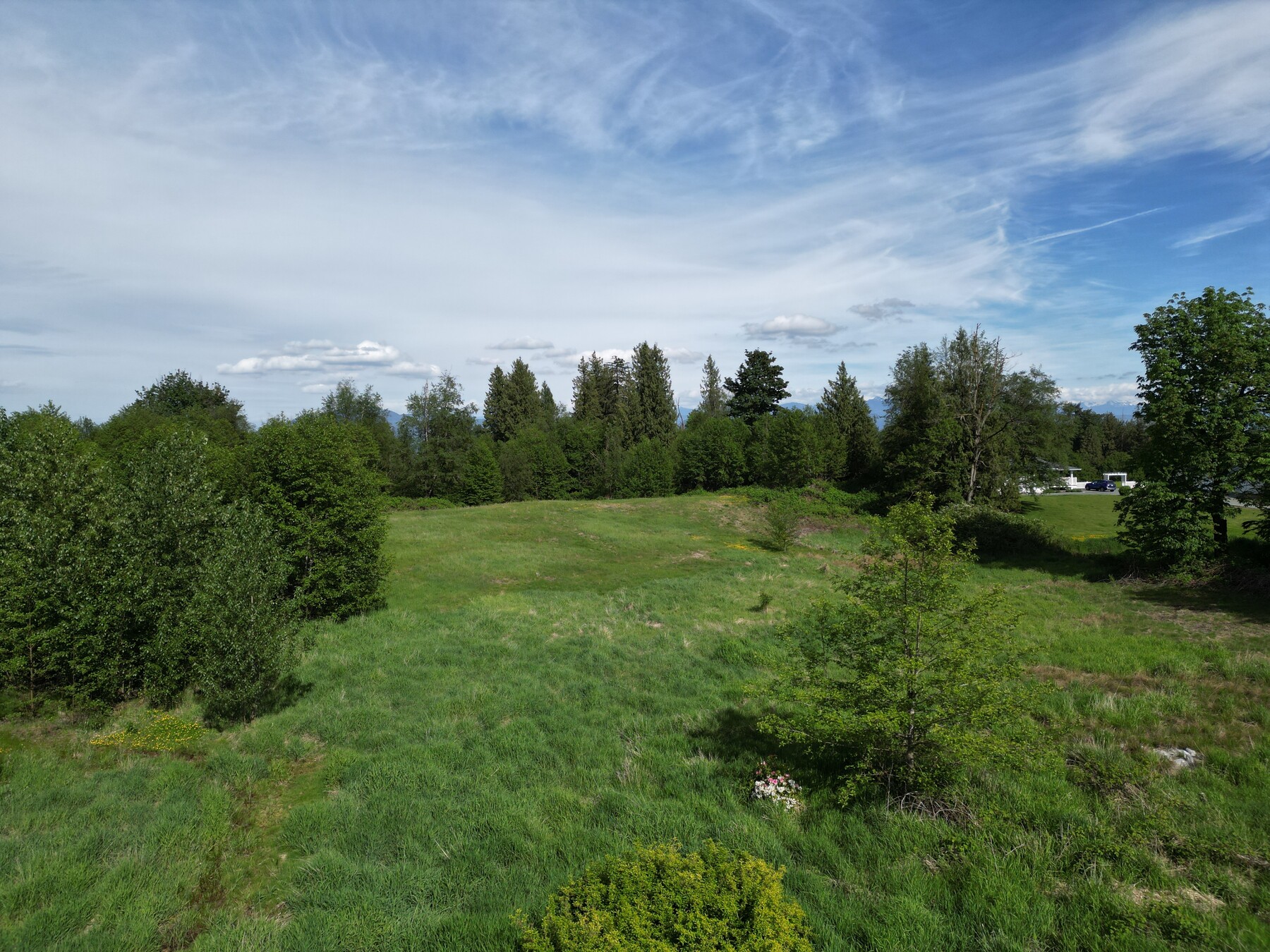
Buying rural land in British Columbia can open the door to a wide range of possibilities. From building a home in a quiet setting to starting a small farm or simply enjoying more space and privacy, rural properties offer opportunities that are very different from typical residential lots. However, purchasing land also comes with unique considerations that buyers should understand before making a decision.
Across British Columbia, rural properties vary greatly in terms of location, terrain, zoning, and access. Taking the time to evaluate these factors can help ensure the land you choose aligns with your goals.
Location and Accessibility
Location plays a major role when purchasing rural land. While many buyers are drawn to the privacy and natural surroundings of rural properties, accessibility is still an important factor.
Consider how far the property is from nearby towns, services, and main roads. Access to grocery stores, schools, and healthcare may be important depending on how the land will be used. It’s also helpful to look at the quality of access roads and whether they are maintained year-round.
Land Size and Usability
Rural properties often vary significantly in size and layout. Some land may be mostly flat and open, while other parcels may include forests, hills, or uneven terrain.
Understanding how much of the land is usable can help buyers determine whether it fits their plans. For example, open areas may be more suitable for building or agricultural use, while wooded sections may provide privacy and natural surroundings.
Zoning and Land Use Regulations
Zoning plays an important role in determining how rural land can be used. Different municipalities and regional districts across British Columbia have zoning bylaws that regulate building types, land use, and development.
Before purchasing land, it’s important to understand the local zoning designation and what it allows. Some properties may also fall within the Agricultural Land Reserve (ALR), which is designed to protect farmland and may influence certain types of development.
Access to Utilities
Unlike urban properties, rural land may not always have immediate access to utilities such as water, sewer, natural gas, or electricity. Some properties rely on wells, septic systems, or other independent services.
Understanding what utilities are available, and what may need to be installed, is an important step when evaluating rural land.
Water Sources and Drainage
Water availability can be an important factor depending on how the property will be used. Some rural properties include wells, nearby water sources, or natural drainage systems that influence the land’s usability.
Reviewing water access and drainage conditions can help buyers better understand how the property may function in different seasons.
Long-Term Potential
Rural land is often viewed as a long-term investment. Buyers may consider how the property could be used or improved in the future, whether that involves building a home, developing agricultural space, or simply maintaining the land for recreational use.
Looking at the surrounding area and future development patterns can also provide helpful insight into the long-term potential of a property.
Working With a Rural Land Specialist
Purchasing rural land involves many factors that are different from buying a standard residential property. Working with professionals who understand land and acreage properties in British Columbia can make the process much smoother.
At BC Land, we help buyers explore rural land opportunities across British Columbia. If you’re considering purchasing land, our team can help guide you through the process and help you find a property that aligns with your plans and long-term goals.